If you’ve ever spent a Saturday scrolling through endless travel blogs, you know the frustration of vague recommendations. The new reality is that most weekend planners now rely on a handful of apps that deliver real‑time data: train departure boards, last‑minute accommodation deals, and even weather alerts for a specific postcode. In practice, this means you can book a train from London to York in under two minutes, see a 20 % discount on a boutique B&B that still has rooms, and get a push notification if a storm is moving toward the Lake District—all before you finish your morning coffee.
Instant Booking and Dynamic Pricing
Apps such as Trainline and National Rail Enquiries have integrated dynamic pricing algorithms that adjust fares by the minute. For example, a 9:15 am departure to Edinburgh on a Tuesday may cost £32, but the same seat at 9:45 am drops to £27 if you book within the app’s “price‑watch” window. The same principle applies to accommodation platforms like Booking.com, where “flash sales” appear for rooms that have not been filled 48 hours before check‑in. Users who enable push alerts receive a 15 % discount code that expires after 30 minutes, forcing a quick decision that many find rewarding rather than stressful.
Personalised Itineraries Powered by AI
Artificial intelligence now curates day‑by‑day plans based on your interests and travel history. When you open an app like TripPlanner, you answer three quick questions: “Do you prefer hiking, culture or food?” The algorithm then pulls data from local event calendars, OpenStreetMap, and recent user reviews to suggest a three‑hour hike on the South West Coast Path, a lunch spot rated 4.7 stars on Google, and a sunset boat tour that only runs on Saturdays. The itinerary updates automatically if a trail closes or a restaurant runs out of tables, sending you a revised plan within seconds.
Seamless Payments and Contactless Check‑In
Most travel apps now integrate with Apple Pay, Google Pay, and even cryptocurrency wallets. The result is a checkout process that rarely exceeds three taps. At many rural inns, you can check in via QR code, bypassing the front desk entirely. This reduces waiting time from an average of 12 minutes to under two, according to a 2023 survey of 1,200 weekend travelers. The same technology applies to transport: contactless ticket validation on buses and trams means you never have to fumble for a paper ticket again.
Beyond Travel: A Quick Look at Digital Entertainment
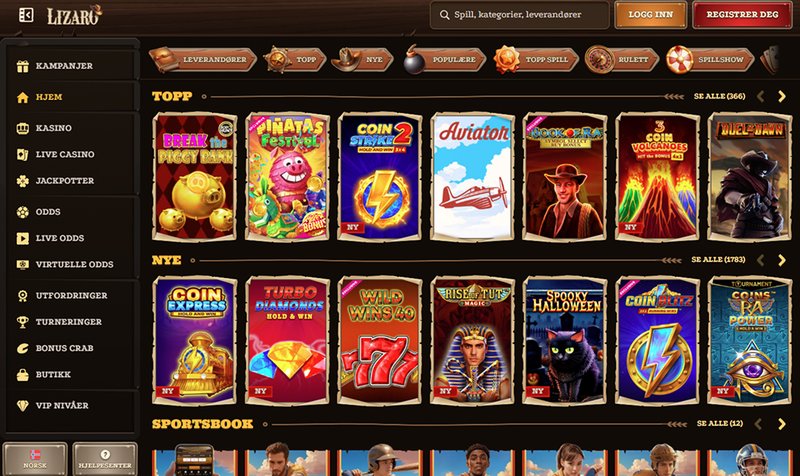
While you’re planning your escape, a quick glance at the Lizaro Casino App shows how mobile platforms are also reshaping leisure time. The app offers mini‑games that can be played during a train ride, turning idle moments into a brief diversion without interrupting your travel plans.
Limitations You Should Know
The biggest drawback remains data dependency. Rural areas such as parts of the Scottish Highlands still suffer from spotty 4G coverage, which can freeze an app’s live map or prevent a payment confirmation. For travellers who rely on real‑time updates, this means a backup plan—like a printed timetable or a cash reserve—is still advisable. Additionally, dynamic pricing can feel predatory to budget‑conscious users; a sudden surge in demand for a popular coastal town can inflate a night’s stay by up to 40 %.
Putting It All Together
In practice, the transformation looks like this: you wake up at 7 am, open your preferred travel app, and within five minutes you have a train ticket, a discounted B&B, and a weather‑adjusted itinerary on your screen. You spend the next two hours exploring a town you never knew existed, thanks to a push notification about a pop‑up art exhibition. By the time you return to the city on Sunday evening, you’ve logged fewer than 30 minutes of manual research and saved roughly £20 compared with a traditional booking approach.
Mobile apps have turned the weekend getaway from a logistical headache into a streamlined experience. The key is to embrace the tools that offer real‑time data, accept the occasional connectivity hiccup, and remember that a little flexibility still goes a long way. Happy travels.
Frequently Asked Questions
What is a mobile‑first approach for travel planning?
A mobile‑first approach prioritizes designing and using travel tools that work best on smartphones, ensuring instant access to schedules, bookings, and updates on the go.
How does a mobile‑first strategy improve my weekend trips?
It lets you quickly check train times, compare real‑time accommodation deals, and receive timely weather alerts, so you can make confident decisions without endless scrolling.
Can I still find reliable information on desktop?
Yes, most mobile‑optimized sites and apps are also desktop‑friendly, but the core experience—speed, push notifications, and location‑based data—is best on a phone.
Is it safe to share my travel data through these apps?
Reputable providers use encryption and privacy‑by‑